Why Sweet Tooth Stands Out as a Beacon of Hope in Post-Apocalyptic TV

Andrew Vasquez
Published May 16, 2026
Amidst a sea of bleak post-apocalyptic series, Sweet Tooth emerges as a breath of fresh air, championing optimism and resilience. This narrative diverges from typical dystopian tales by infusing its plot with warmth and a sense of possibility, even when faced with a world ravaged by catastrophe.
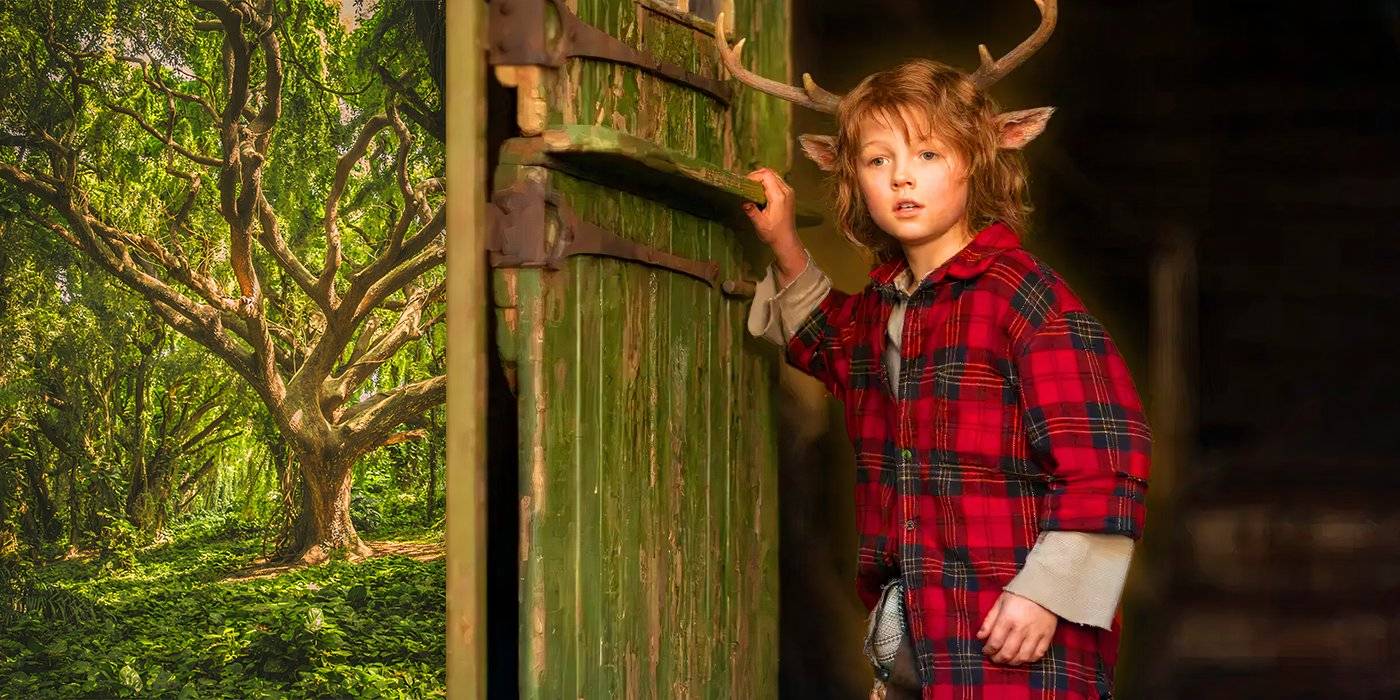
At the heart of the series lies Gus, a young boy who embodies innocence and curiosity in a landscape that constantly threatens to extinguish both. Through his eyes, viewers experience a journey filled with challenges, yet underscored by an enduring belief in the goodness of life and the power of human connection.
The show distinguishes itself by presenting a world where survival does not necessitate sacrificing compassion or hope. Instead, it illustrates how kindness and empathy can flourish under the most trying circumstances, setting Sweet Tooth apart as a testament to the strength found in community and love.
Moreover, the series concludes on a note of closure and fulfillment, offering a rare satisfying end to its story arc in a genre often plagued by abrupt endings or open-ended plots. This definitive conclusion provides viewers with a sense of completion, reinforcing the message that even in the darkest of times, there is light to be found.
While not all audiences may gravitate towards its gentle approach—especially those seeking intense drama—the show’s commitment to balancing realism with optimism marks it as a valuable addition to the post-apocalyptic genre. It serves as a reminder that even within the ruins of a fallen world, there exists the potential for growth, renewal, and profound humanity.