Exploring Fresh Takes on Shakespeare's Timeless Tales in Modern Cinema

Daniel Davis
Published May 15, 2026
Published on April 10, 2026, this exploration delves into the evolving landscape of Shakespearean adaptations, highlighting innovative approaches and standout interpretations.
The enduring appeal of William Shakespeare’s works continues to inspire filmmakers worldwide, who bring fresh perspectives to these classic narratives. Recent projects showcase daring reinterpretations, ranging from updated urban environments to intimate character studies.
From Baz Luhrmann’s vibrant fusion of Elizabethan drama and modern pop culture to Joss Whedon’s witty twist on romantic intrigue, contemporary retellings breathe new life into well-known plots. Notable examples include The Lion King, which translates Shakespearean themes into an animal kingdom spectacle, and 10 Things I Hate About You, blending romance and wit in a high school setting.
Even the legendary figure of Shakespeare himself becomes a subject of fascination, as seen in films focusing on his creative process and personal struggles. These portrayals reveal how the Bard’s life and work continue to resonate with audiences across generations.
Hamlet (2026)
Riz Ahmed delivers a compelling rendition of the Danish prince, infusing the role with nuanced vulnerability and quiet intensity. His performance stands out in a version that balances reverence for tradition with innovative storytelling techniques.
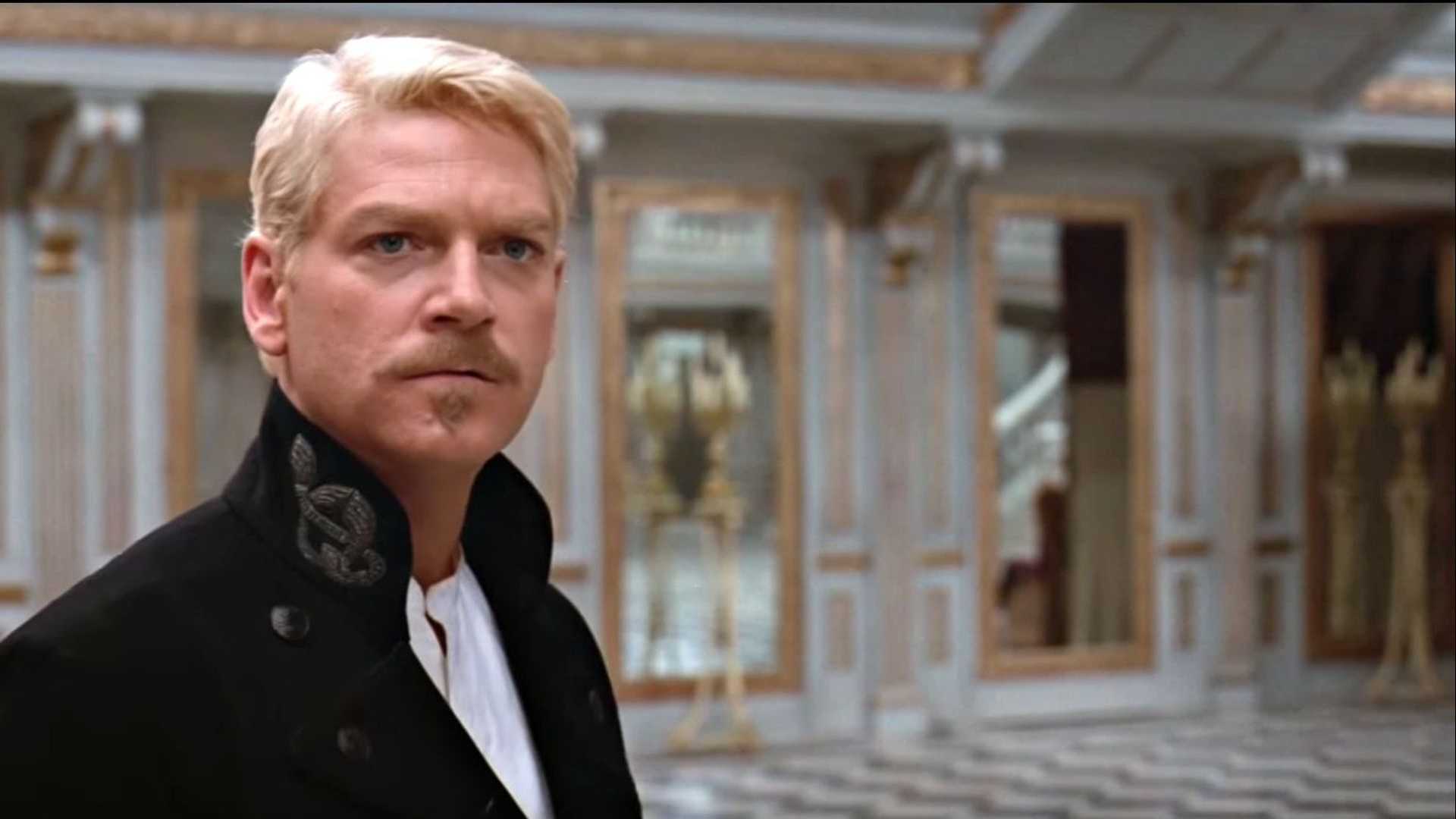
Hamlet (1996)
Kenneth Branagh’s expansive interpretation spans nearly four hours, offering audiences a comprehensive view of the play’s complexity. Featuring a distinguished cast including Kate Winslet and Derek Jacobi, this adaptation emphasizes emotional depth and dramatic scope.
Hamlet (1969)
Nicol Williamson’s portrayal remains iconic for its intellectual gravitas and raw emotional power. Paired with Anthony Hopkins’ memorable performance as Claudius, this version captures the essence of Shakespeare’s tragic masterpiece.
Hamlet (1948)
Laurence Olivier’s definitive performance set a benchmark for future interpretations, earning critical acclaim and numerous awards. The 1948 film remains a cornerstone in cinematic depictions of Shakespeare.