Exploring Post-Apocalyptic TV: Survival, Society, and Hope in Dystopian Worlds

Andrew Vasquez
Published May 16, 2026
Post-apocalyptic television has surged in popularity, offering gripping tales of endurance and introspection. From the haunting desolation of Fallout to the relentless struggle for resources in The Walking Dead, these narratives explore both external threats and internal conflicts.
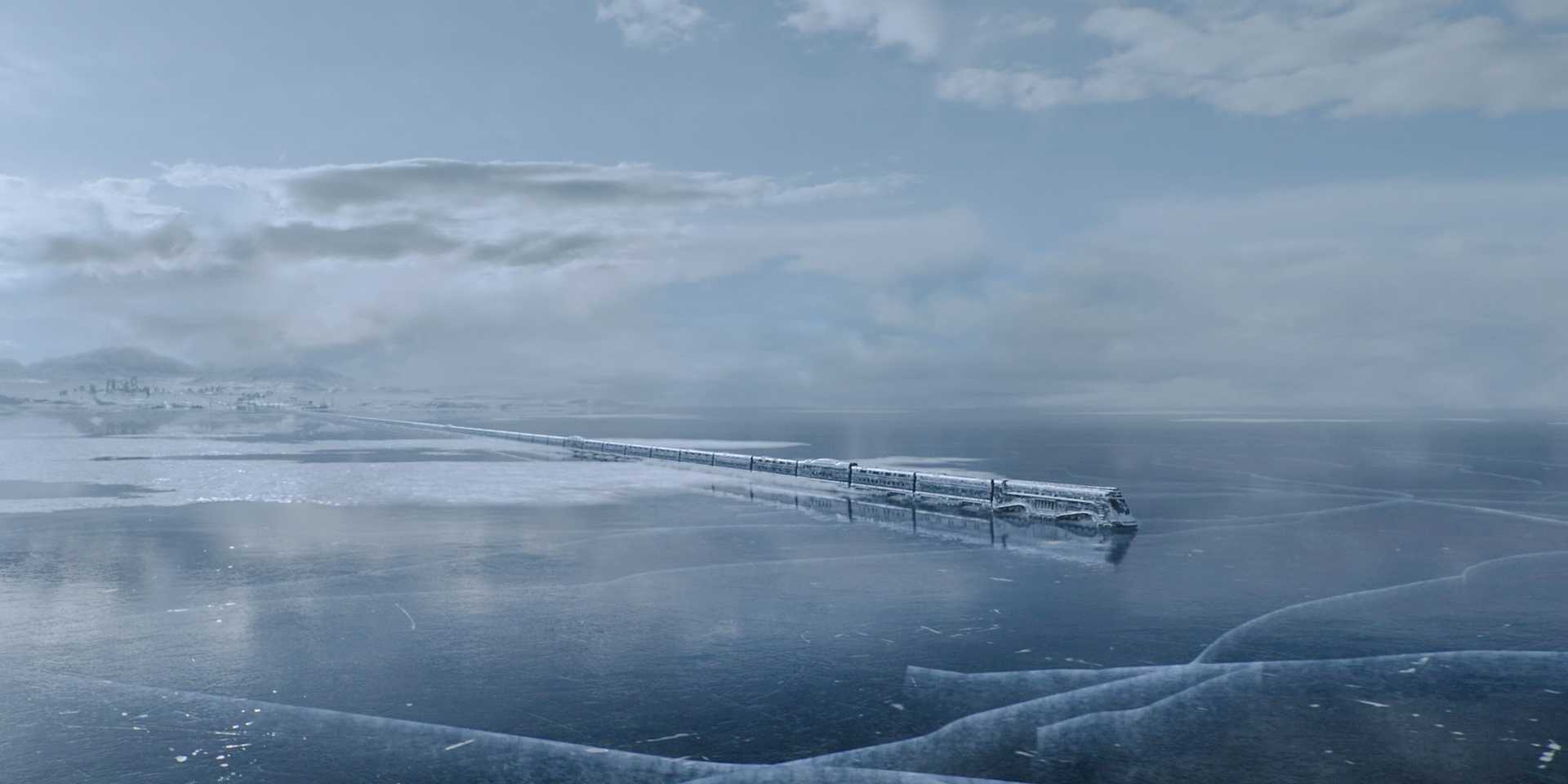
Series like The Last of Us depict a world where survival hinges on navigating not just environmental hazards but also the complexities of human relationships. Meanwhile, Snowpiercer presents a unique setting where social hierarchy dictates life aboard a perpetually moving train, highlighting themes of inequality and resistance.
The Last Of Us immerses viewers in a landscape defined by constant peril, where every decision can mean life or death. The show emphasizes the emotional weight of carrying hope amid devastation. Similarly, The 100 portrays a community striving to rebuild society after catastrophic collapse, balancing resource management with ethical dilemmas.
The Snowpiercer presents a stark contrast between opulence and squalor within a closed ecosystem, questioning whether survival justifies systemic oppression. In Silo, the focus shifts to information control and psychological confinement, illustrating how power structures persist even in isolated environments.
Wonderful Today stands apart with its blend of mystery and existential inquiry, set against a backdrop where truth itself is contested. Other notable entries like Silto and Stations Eleven examine cultural preservation and community resilience, proving that storytelling remains vital even when civilization falters.
Each series contributes to a broader conversation about humanity's capacity to endure, adapt, and find meaning when faced with irreversible change.