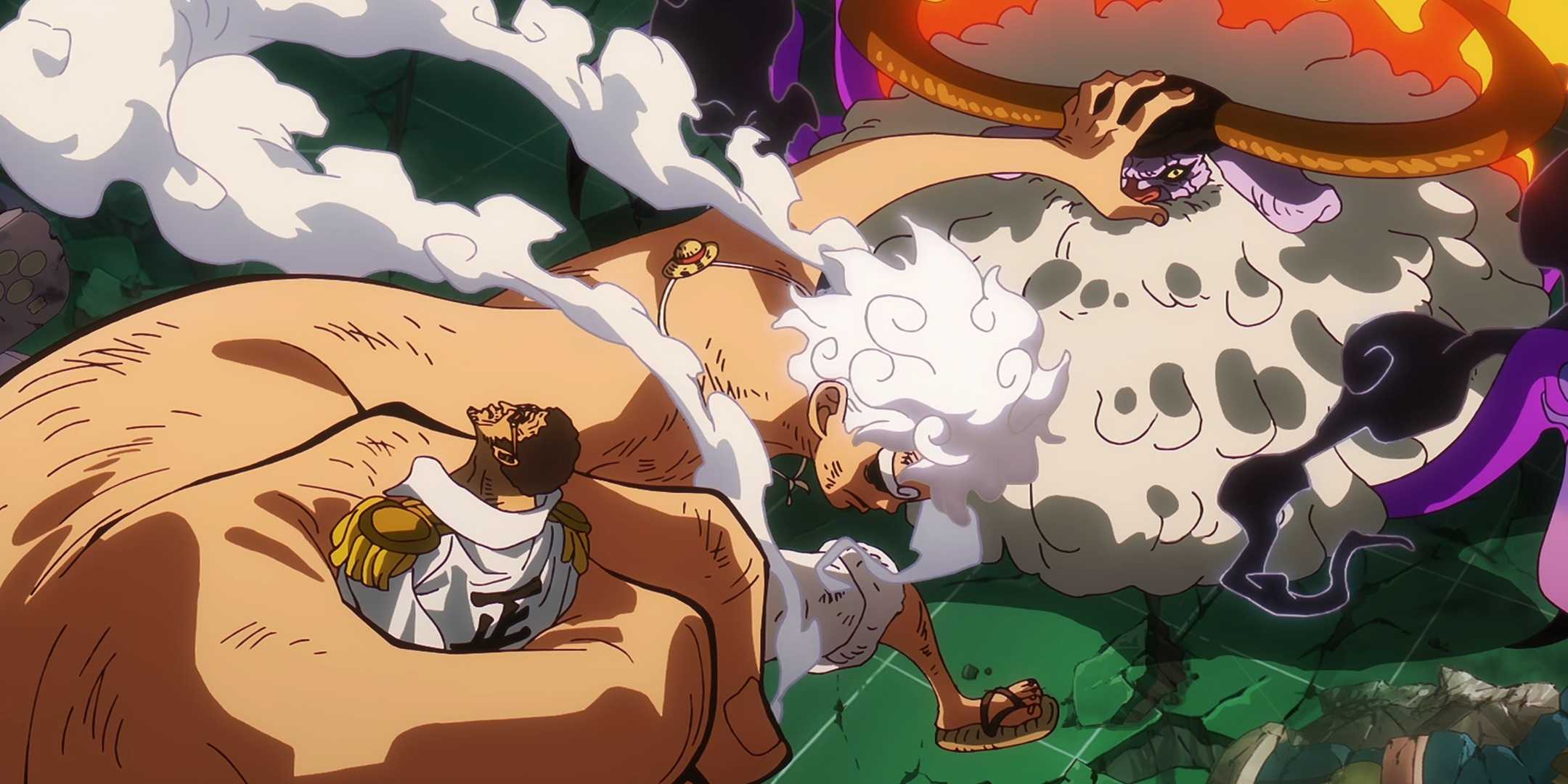
Unveiling the Hidden Past: Joy Boy and Imu's Forgotten Bond

Gabriel Cooper
Published May 17, 2026
Amidst the unfolding saga of One Piece, new insights shed light on a long-concealed connection between two of history's most enigmatic figures: Joy Boy and Imu. Recent developments in the narrative suggest that their relationship was once defined by camaraderie rather than enmity, challenging the traditional view of their rivalry.
This paradigm shift emerges from subtle yet profound moments within the story—such as the flashback in chapter #1181, where a brief but poignant exchange between Imu and Joy Boy hints at a shared laughter, suggesting a time when their paths crossed as allies rather than adversaries. These glimpses into their past offer readers a richer understanding of the motivations driving both characters’ actions in the present.
The implications of this rediscovered alliance ripple throughout the current arcs, prompting fans to reconsider the ideological divide between freedom and control that fuels the central conflict. By framing their opposition through the lens of divergent interpretations of liberty, Oda invites speculation on whether the ultimate resolution might hinge less on brute strength and more on reconciliation of fundamentally different visions for the world.
Exploring the Roots of Division
Delving deeper, the narrative explores how external pressures—war, famine, and the rise of oppressive regimes—transformed what was once a mutual respect into a bitter struggle for dominance. The emergence of the World Government’s tyranny forced former friends into conflicting roles, turning personal betrayal into a symbol of broader societal corruption. Understanding this transformation allows readers to appreciate the emotional weight behind each decision made by both sides.
Moreover, the revelation serves as a narrative device encouraging reflection on real-world issues regarding power dynamics and historical memory. Just as societies often rewrite or obscure parts of their histories, One Piece mirrors this phenomenon, urging audiences to question whose stories get told and whose are silenced.
As the saga progresses toward its anticipated conclusion, the echoes of Joy Boy and Imu’s original bond continue to reverberate, offering hope that even entrenched animosities can be bridged. This evolving perspective enriches the epic’s tapestry, reminding us that beneath the surface of grand battles lies a complex web of human experiences shaped by love, loss, and ultimately, the possibility of forgiveness.
