Iconic Movie Set Pieces Through the Decades: A Journey Into Cinematic History

William Jenkins
Published May 16, 2026
Published on April 5, 2026, at 5:00 PM EDT, this exploration delves into the artistry behind some of cinema's most memorable scenes. From silent film stunts to modern-day blockbusters, each era's unique approach to visual storytelling is examined.
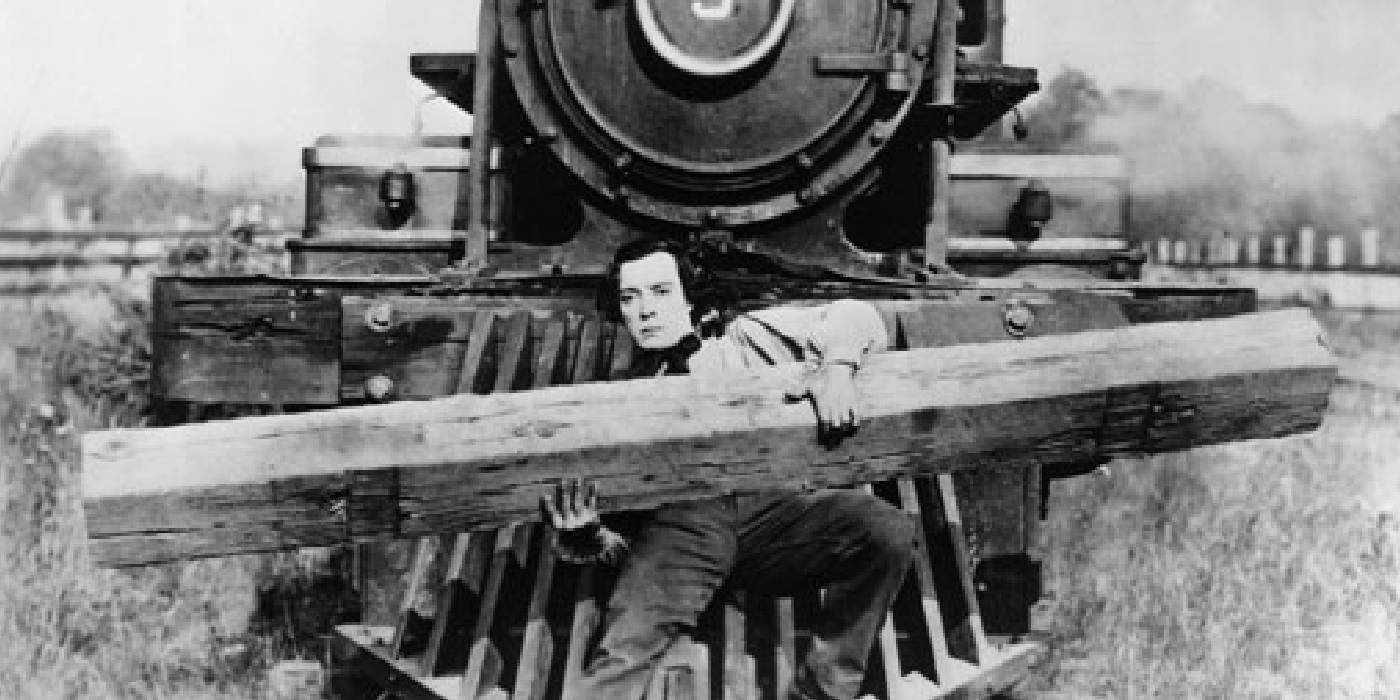
In the 1920s, Buster Keaton's daring feats in The General set a standard for physical comedy and precision. The 1930s brought John Ford's masterful direction in , blending drama with thrilling action. By the 1940s, John Wayne's intense showdown in demonstrated the power of a single, well-crafted fight scene.
The 1950s saw the monumental chariot race in , a testament to meticulous planning and execution. The 1960s introduced the gritty realism of , where violence became a narrative force. and pushed boundaries in the 1970s, while the 1980s delivered the relentless pace of . The 1990s' redefined digital action, and the 2000s' offered stylized, hyper-kinetic sequences. Finally, the 2010s concluded with , a high-octane finale that encapsulated decades of evolving cinematic spectacle.
1920s: The Silent Era's Masterstroke
Buster Keaton on the front of a train in The General.
1930s: The Dawn of Action
The cast of (1939).
1940s: The Birth of the Western Showdown
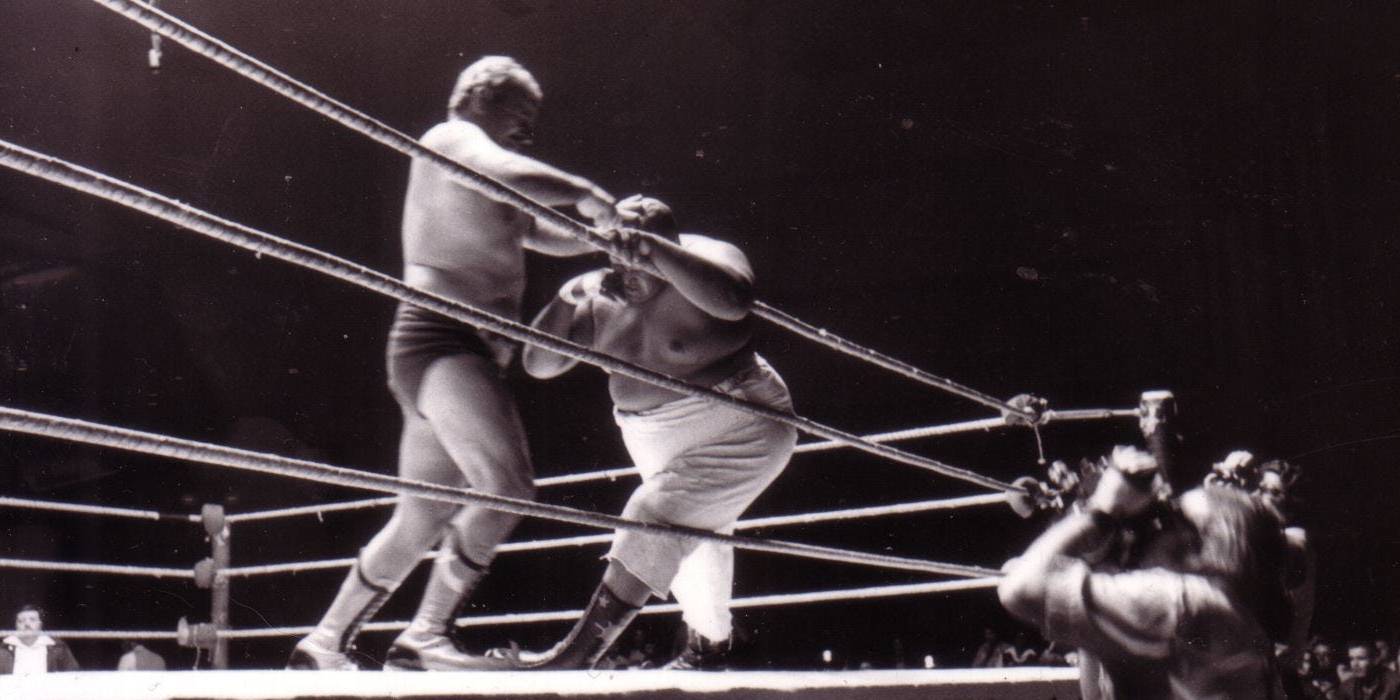
John Wayne battling in .
1950s: Epic Drama Meets High-Stakes Conflict
Ben-Hur's legendary chariot race.
1960s: Gritty Realism Takes Center Stage
William Holden's iconic shootout in .
1970s: The Rise of the Gritty Thriller
Feature Image: car chase.
1980s: The Advent of the Blockbuster Spectacle
Indiana Jones evading a collapsing temple in .
1990s: Digital Innovation Meets Classic Storytelling
Neo and Trinity's lobby battle in .
2000s: Hyper-Stylized Action Becomes the Norm
The Bride's confrontation with the Crazy 88 in .
2010s: The Modern Action Masterpiece
Mad Max's apocalyptic chase sequence in .