Why HBO's Harry Potter Reboot Might Not Replace Game of Thrones' Legacy

Liam Parker
Published May 16, 2026
HBO faces a daunting task with its forthcoming adaptation of the beloved Harry Potter series, aiming to capture a new generation while contending with the shadow of its predecessor, Game of Thrones.
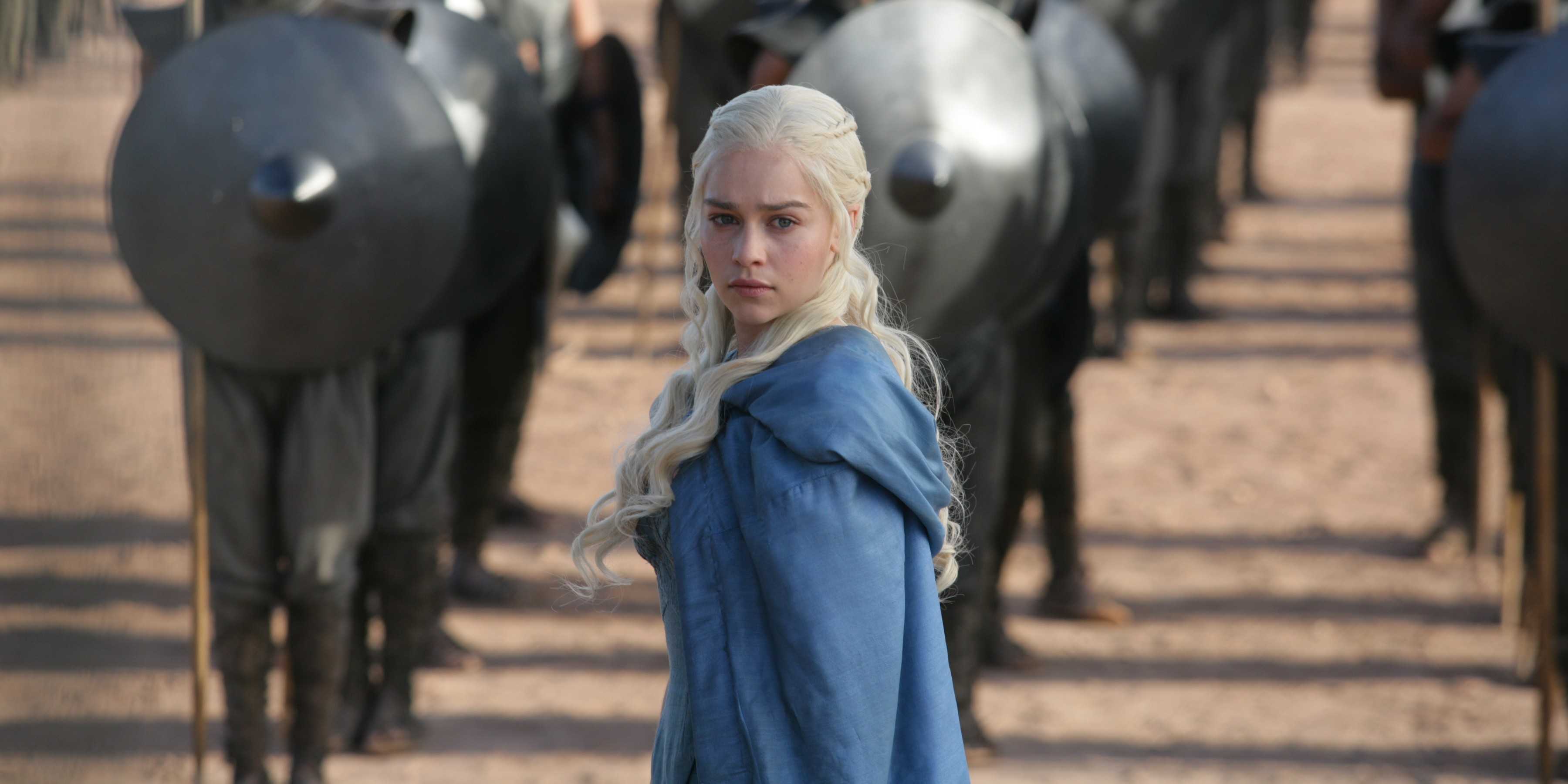
The original Game of Thrones series set a high bar for fantasy on television with its intricate plots and bold narrative choices, including the infamous Red Wedding that shocked audiences worldwide. In contrast, the Harry Potter adaptation risks becoming a nostalgic trip rather than a groundbreaking saga, as it follows a linear storyline familiar to many readers.
Despite the show's potential to leverage the extensive fanbase of J.K. Rowling's novels, it lacks the subversive edge that made Game of Thrones so compelling. The series caters primarily to younger viewers, which limits its ability to surprise or innovate in the way that HBO's earlier hits did.
Moreover, the decision to begin with the first book, which is notably slower paced, may hinder the show's ability to maintain viewer interest over time. This approach contrasts sharply with the rapid escalation of stakes seen in Game of Thrones, which kept audiences hooked through unpredictability and depth.
Additionally, the cultural impact of Game of Thrones extended beyond television, influencing literature, gaming, and even fashion. The Harry Potter series, while immensely popular, has yet to achieve similar cross-medium resonance, remaining largely confined to the realm of entertainment rather than shaping broader cultural conversations.
Ultimately, HBO's Harry Potter reboot stands at a crossroads: it can either carve out its own niche by embracing the unique aspects of the source material or risk fading into irrelevance as a mere nostalgia play. The challenge lies in balancing reverence for the books with the creative daring needed to stand alongside iconic series like Game of Thrones.