Exploring Classic and Modern Dystopian Fiction: A Comprehensive Guide

David Schmidt
Published May 16, 2026
Blaise Santi, a NYU Tisch School of Arts alum with a focus on Dramatic Writing and a minor in Comedy, has made notable contributions to the Brooklyn Comedy Collective through performances in groups like Golfers and Cast Party. Living in Brooklyn, he enjoys music, acting, and reading in his free time.
Dystopian fiction has captivated readers for decades, gaining prominence with young adult series in the late 2000s. The genre surged after the success of films based on The Hunger Games, leading to new adaptations and spin-offs, including Sunrise of the Reaping. While many encountered dystopian worlds through Suzanne Collins' works, the sub-genre boasts a rich history filled with stories of oppressive societies and resistance.
Brave New World
Published In 1932 By Aldous Huxley

One of the standout dystopian novels of the 20th century, Brave New World, imagines a future London governed by genetic engineering and rigid social stratification. Set in 2540, the story centers on Bernard, a psychologist deemed socially inadequate, who challenges the status quo. Huxley’s critique of consumerism and conformity continues to resonate, making this a timeless exploration of freedom versus stability.
Even nearly a century after publication, Brave New World remains relevant for its warnings about technological advancement without ethical boundaries. Whether referenced in modern media or revisited through new adaptations, its influence on dystopian storytelling is undeniable.
Nineteen Eighty-Four
Published In 1949 By George Orwell

George Orwell’s Nineteen Eighty-Four introduced readers to a chilling vision of totalitarian control, where Big Brother monitors every aspect of life. The novel’s themes of surveillance, propaganda, and thought manipulation have become cultural touchstones. Orwell’s depiction of a society stripped of privacy and individuality serves as a stark reminder of the dangers of unchecked governmental power.
While many first encounter the book through school curricula, its lessons extend beyond the classroom. The concepts of “Big Brother” and “doublethink” permeate discussions about politics and media, ensuring Orwell’s legacy endures in both literature and popular discourse.
Fahrenheit 451
Published In 1953 By Ray Bradbury

Ray Bradbury’s Fahrenheit 451 explores censorship and intellectual freedom through the lens of a society where books are banned and “firemen” burn them. Set shortly after WWII, the novel reflects anxieties about McCarthyism and conformity. Protagonist Guy Montag’s journey from enforcer to rebel mirrors broader questions about knowledge and resistance.
Bradbury’s lyrical prose and haunting imagery ensure the novel’s enduring appeal. Its relevance has only grown in the digital age, prompting reflection on how information is controlled and consumed in modern society.
Atlas Shrugged
Published In 1957 By Ayn Rand

Ayn Rand’s Atlas Shrugged presents a world on the brink of collapse due to economic mismanagement and ideological extremism. The narrative follows industrialist Dagny Taggart and philosopher John Galt as they confront a society that punishes excellence. Rand’s philosophy of Objectivism challenges readers to consider individualism versus collectivism, sparking debate across generations.
Though controversial, the novel’s exploration of human motivation and societal structure continues to attract followers and critics alike. Its impact on political thought and literature remains significant, particularly among those advocating for personal liberty.
The Man in the High Castle
Published In 1962 By Philip K. Dick
Philip K. Dick’s The Man in the High Castle imagines an alternate history where Axis powers won WWII, dividing the U.S. between Nazi and Japanese rule. The story intertwines narratives of resistance and speculation, centered on a novel-within-a-novel that hints at a world where the Allies triumphed. Dick’s work blurs reality and fiction, inviting readers to ponder the fragility of democracy and the power of narrative.
Its metafictional elements and philosophical depth make it a cornerstone of speculative literature. The book’s influence extends beyond its original medium, inspiring television adaptations and inspiring countless discussions about history and possibility.
The Long Walk
Published In 1979 By Stephen King (As Richard Bachman)

Under the pseudonym Richard Bachman, Stephen King penned The Long Walk, a harrowing tale set in a dystopian America governed by a brutal annual walking competition. Participants face death if they fail to reach the finish line, highlighting themes of survival and systemic cruelty. King’s ability to blend suspense with social commentary shines in this lesser-known work, offering a stark vision of authoritarian control.
Though initially overshadowed by his mainstream novels, The Long Walk has gained recognition for its unflinching portrayal of human endurance. Fans of King’s psychological thrillers will appreciate its intensity and moral complexity.
The Handmaid's Tale
Published In 1985 By Margaret Atwood

Margaret Atwood’s The Handmaid’s Tale paints a terrifying picture of a theocratic regime where women are stripped of autonomy and reduced to reproductive tools. Set in the dystopian Republic of Gilead, the novel examines themes of oppression, gender, and resistance. Its adaptation into a critically acclaimed TV series has introduced Atwood’s work to new audiences, amplifying its cultural significance.
Readers familiar with Hulu’s series will recognize the divergence from the source material, yet both versions underscore the urgency of fighting against systemic injustice. The novel’s exploration of power dynamics continues to resonate in contemporary conversations about rights and freedoms.
I Who Have Never Known Men
Published In 1995 By Jacqueline Harpman
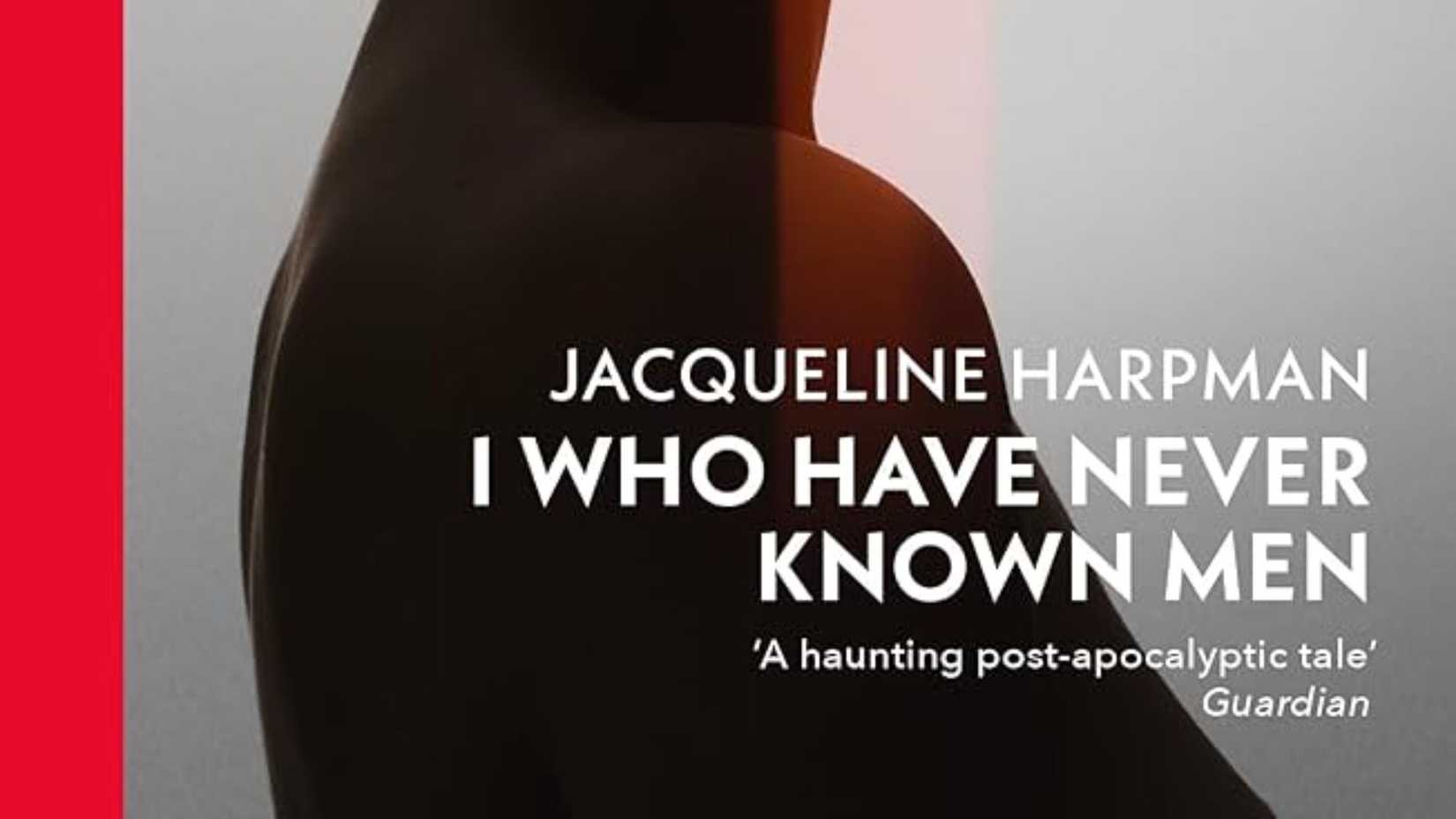
Jacqueline Harpman’s I Who Have Never Known Men tells the story of forty women imprisoned underground, unaware of the outside world until its collapse. When the men leave, the women must rebuild society from scratch, exploring themes of identity, resilience, and community. The novel’s sparse yet powerful narrative invites reflection on gender roles and societal expectations.
Though not widely known, this work offers a poignant meditation on survival and empowerment. Its unique premise sets it apart from mainstream dystopian fiction, appealing to readers seeking nuanced explorations of human relationships.
Infinite Jest
Published In 1996 By David Foster Wallace

David Foster Wallace’s Infinite Jest is an ambitious epic set in a near-future North America dominated by corporate control and environmental decay. The sprawling narrative weaves together multiple perspectives, including those of rehab patients, athletes, and rebels, in a society obsessed with entertainment and distraction. Wallace’s intricate prose challenges readers to confront the complexities of modern existence.
While its length and style may intimidate some, the novel rewards patience with profound insights into addiction, happiness, and the human condition. Its influence on contemporary literature is immeasurable, cementing Wallace’s reputation as a visionary writer.
Station Eleven
Published In 2014 By Emily St. John Mandel
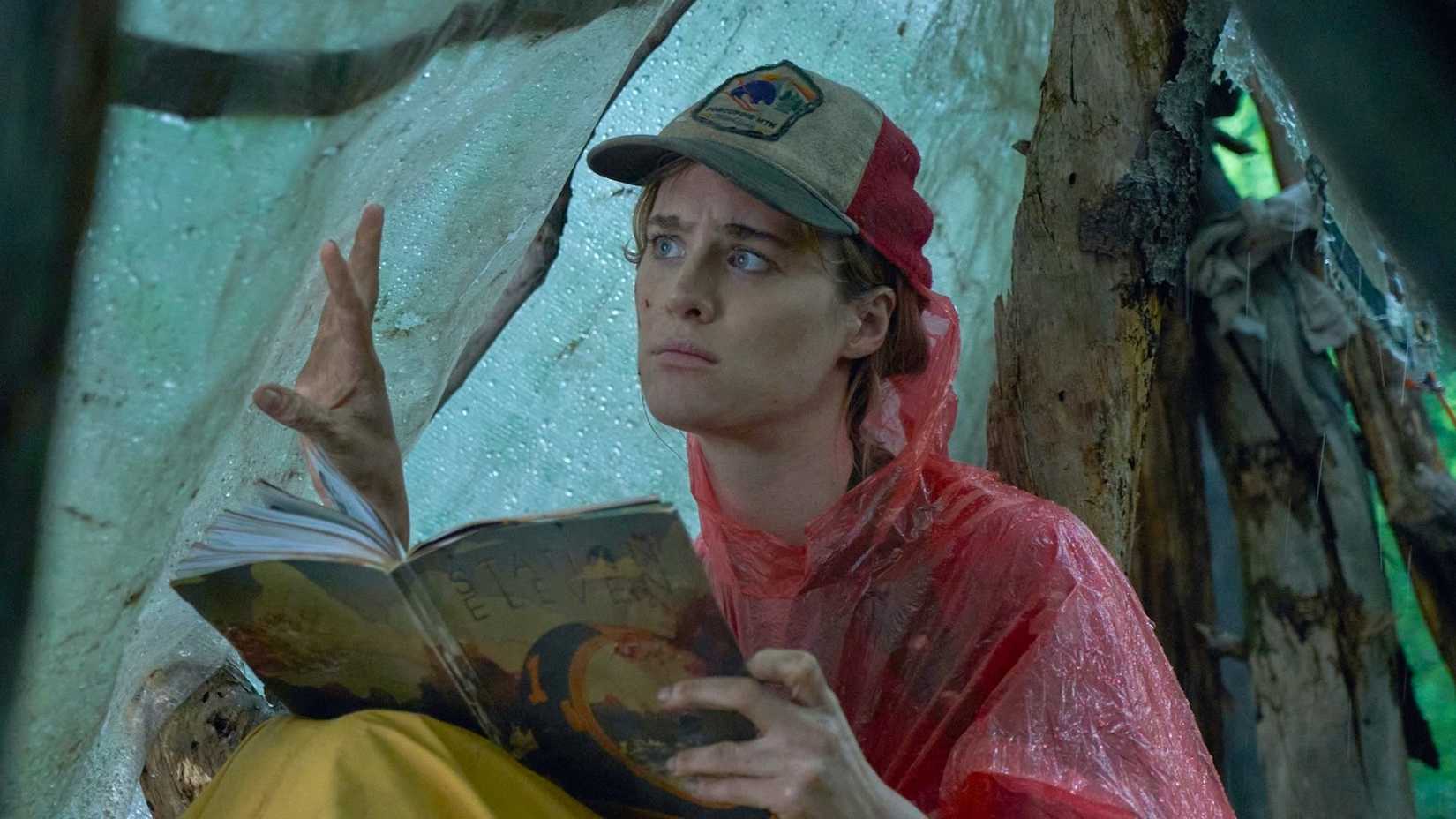
Emily St. John Mandel’s Station Eleven imagines a world devastated by a flu pandemic, where survivors cling to art and memory amidst societal collapse. The story follows the Traveling Symphony, a troupe of performers dedicated to preserving culture, and intersects with the enigmatic figure known as The Prophet. Mandel’s lyrical storytelling highlights the enduring power of creativity in the face of catastrophe.
Though categorized as post-apocalyptic, the novel transcends genre boundaries, appealing to fans of dystopian and literary fiction alike. Its exploration of connection and loss resonates deeply, offering hope in bleak circumstances.
- Similar titles include The Road by Cormac McCarthy and Oryx and Crake by Margaret Atwood.
For readers intrigued by Station Eleven, related works such as The End of the World Coming Soon and The Last Town on Earth provide further insight into themes of survival and societal breakdown.