Unveiling the Future of Daredevil: Born Again's Potential Prison Arc and Character Evolution

Isabella Harris
Published May 15, 2026
As the second season of Daredevil: Born Again unfolds, fans are abuzz with theories about the show's direction, particularly regarding the possibility of a prison narrative. With the recent introduction of Charlie Cox's full-bearded persona, the stage is set for a compelling visual and thematic shift that could signal a departure from the character's established look.
Speculation intensifies as Cox's portrayal hints at a potential storyline where Matt Murdock and Wilson Fisk find themselves incarcerated. This scenario draws parallels to the acclaimed 2006 comic arc The Devil in Cell Block D, which saw both characters behind bars, offering a rich backdrop for exploring themes of justice, power, and personal transformation.
Several factors contribute to the intrigue surrounding a prison setting. Firstly, it provides a stark contrast to Matt's usual urban environment, emphasizing isolation and introspection. Secondly, it aligns with the comic's exploration of moral ambiguity and redemption, themes that resonate deeply with the show's existing narrative. The prison backdrop also allows for dynamic interactions with iconic characters such as Bullseye and Punisher, potentially reigniting old rivalries and alliances.
Moreover, the visual cue of Cox's beard—reminiscent of prison life—serves as a subtle yet powerful indicator of the storyline's direction. It suggests a period of growth and change for Matt, mirroring the physical transformation imposed by incarceration. This change could also reflect the psychological toll of imprisonment, adding layers to his character's development.
Additionally, the narrative possibilities extend beyond the confines of the prison walls. Themes of loyalty, betrayal, and the quest for freedom become central, echoing the broader struggles depicted in the comics. The inclusion of familiar faces like Karen Page and Jessica Jones, who have historically supported Matt, underscores the importance of community and resilience in overcoming adversity.
Ultimately, a prison arc for Daredevil: Born Again promises to enrich the series with tension, depth, and emotional resonance. By weaving together elements from the comics with the show's unique storytelling style, creators can craft a narrative that honors the source material while pushing the boundaries of the superhero genre.
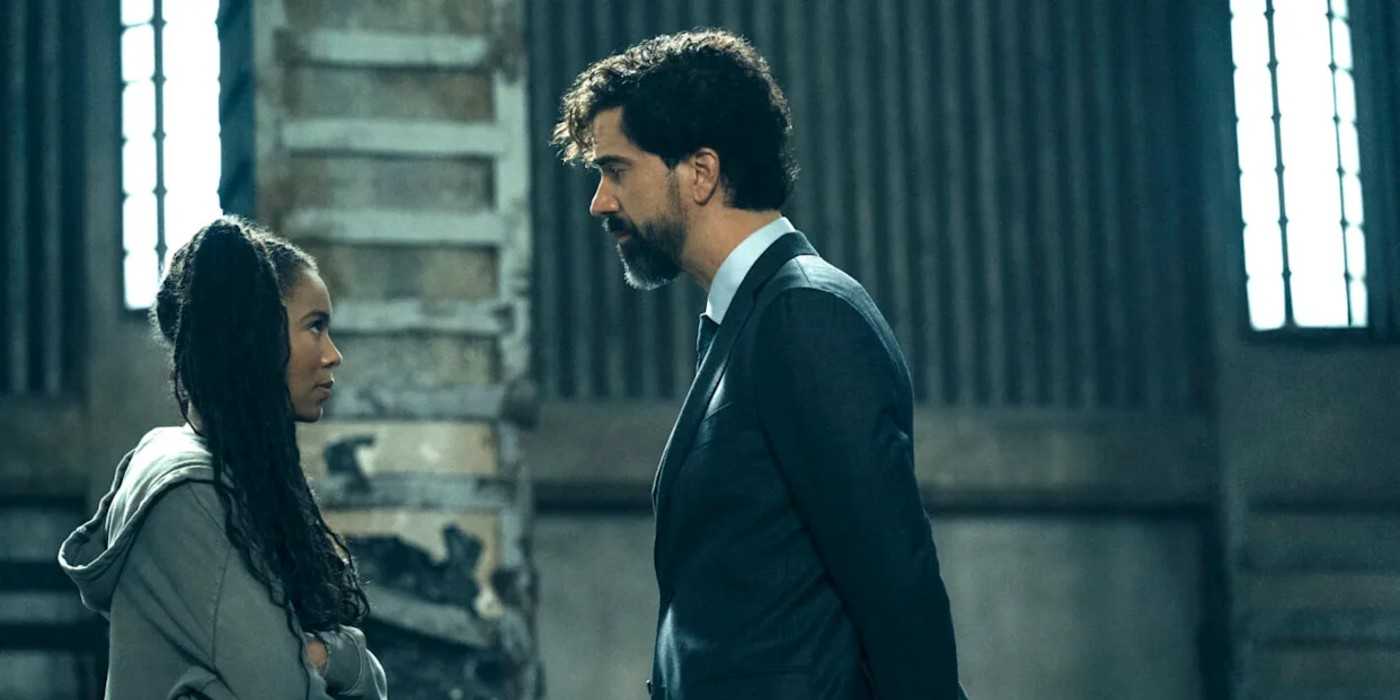
Image description: A still from a pivotal scene showcasing the tension between Matt Murdock and Wilson Fisk, set against the stark backdrop of a prison cell.
This evolution in setting not only challenges the characters but also invites viewers to engage with the story on a more profound level, questioning the nature of justice and the true cost of heroism.
Exploring the Narrative Implications
Delving deeper into the potential plot developments, a prison setting could serve as a crucible for character growth and thematic exploration. The confined environment forces characters to confront their deepest fears and insecurities, fostering unexpected alliances and revelations. For instance, the dynamic between Matt and Fisk could evolve from antagonism to a complex partnership rooted in mutual respect and shared experiences.
Furthermore, the prison narrative opens avenues for examining societal issues such as systemic corruption, rehabilitation versus punishment, and the impact of incarceration on personal identity. These themes resonate with contemporary debates, enhancing the show's relevance and appeal.
Visually, the stark contrast between the gritty urban landscapes of Hell's Kitchen and the oppressive atmosphere of a prison underscores the thematic shift. Cinematic techniques such as lighting, color palettes, and camera angles can amplify the mood, creating a visceral experience that mirrors the characters' internal struggles.
In terms of casting, the introduction of new actors to portray established characters or introduce fresh faces could invigorate the storyline. Characters like Bullseye, whose presence adds layers of intrigue, become pivotal in navigating the prison politics and maintaining a semblance of order among inmates.
Ultimately, the decision to place Daredevil: Born Again within a prison framework represents a bold narrative choice that holds significant promise. It bridges the gap between comic book lore and television storytelling, offering a fresh perspective on familiar characters while staying true to their core essence.
As anticipation builds, fans eagerly await further clues and developments. The interplay between past and present, reality and fiction, creates a captivating tapestry that keeps audiences invested in the journey ahead.