Creative Missteps: When Superhero Films Lose Their Way

Sarah Oconnell
Published May 15, 2026
Superhero movies continue to dominate box offices worldwide, yet many high-profile releases have stumbled through perplexing creative decisions that alienated longtime fans. From misunderstood icons to botched transformations, these examples illustrate how even well-intentioned projects can derail into unintended territory.
Consider Sony’s Spider-Man Universe, which repeatedly transformed classic villains into sympathetic antiheroes. Characters such as Morbius, Kraven the Hunter, and Venom were reshaped into tragic protagonists, diluting their original menace and confusing audience expectations. Instead of honoring their roots, the franchise often presented them as reluctant heroes lacking distinct motivation, resulting in repetitive storytelling and diminished impact.
Another striking case is Batman v Superman: Dawn of Justice, where Jesse Eisenberg’s portrayal of Lex Luthor strayed far from the calculated mastermind fans anticipated. His erratic behavior and lack of gravitas turned a potential powerhouse villain into an incongruous caricature, creating a jarring contrast with Henry Cavill’s earnest Superman and Ben Affleck’s brooding Batman.
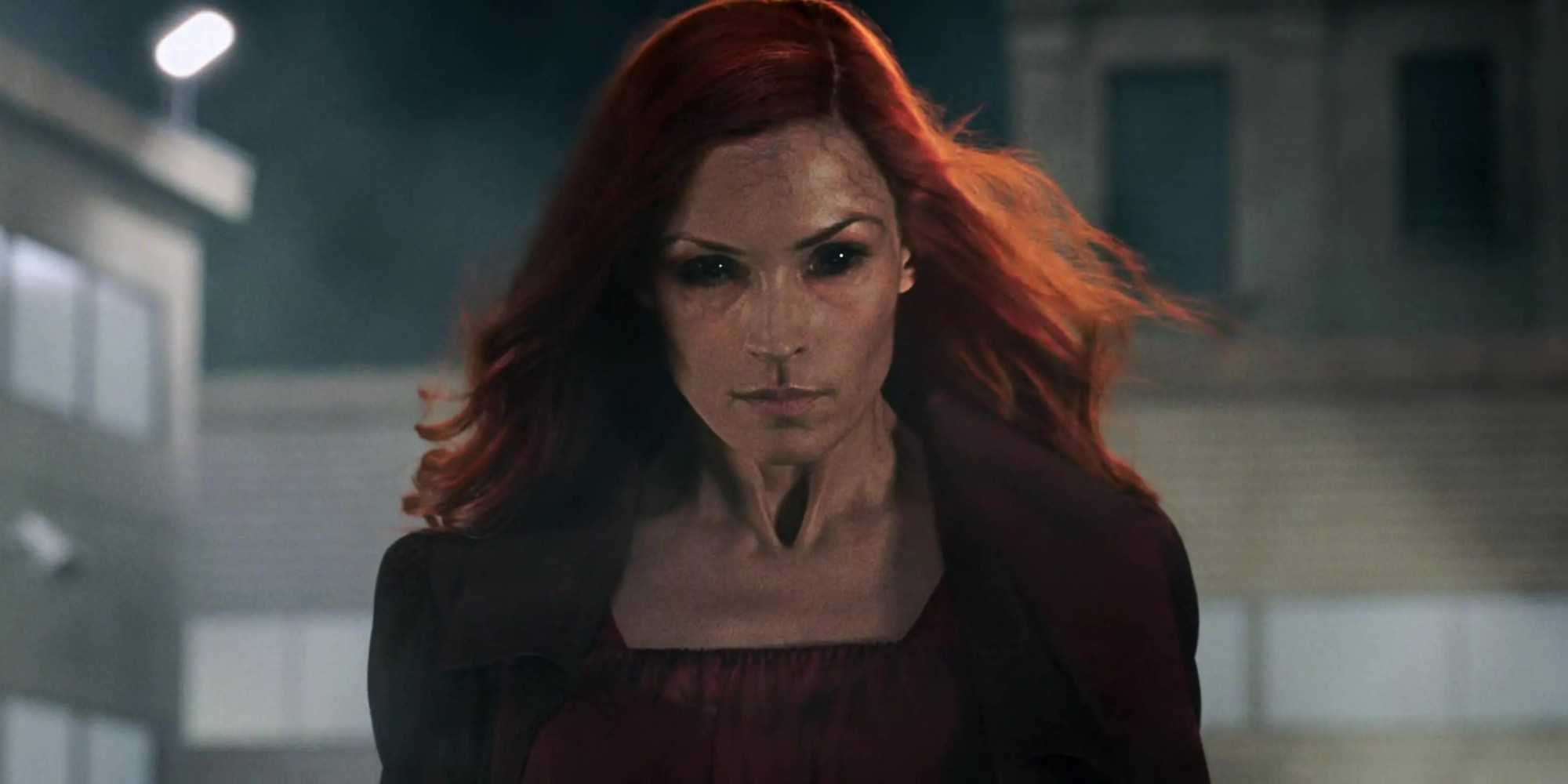
Similarly, X-Men: The Last Stand squandered one of comics’ most emotionally resonant arcs—the “Dark Phoenix Saga”—by burying Jean Grey’s evolution beneath convoluted plotlines and rushed developments. The film’s attempt to juggle multiple subplots diluted the narrative’s emotional weight, leaving key moments feeling hurried and underdeveloped.
Jared Leto’s Joker in Suicide Squad exemplifies how casting choices can overshadow narrative substance. Intended as a bold reinvention, Leto’s interpretation became synonymous with theatrical excess rather than authentic menace, shifting attention away from the ensemble cast and core mission.
Even seemingly minor alterations can have outsized consequences. Spider-Man 3’s emo Peter Parker—embodied by Tobey Maguire—turned comic symbolism into awkward dance sequences, undermining the character’s inherent darkness. The film’s reliance on physical comedy over psychological depth alienated viewers seeking genuine tension and complexity.
In Ant-Man and the Wasp: Quantumania, MODOK’s introduction squandered Marvel’s trademark blend of horror and humanity. Instead of exploring tragic transformation, the adaptation relied on slapstick humor, stripping the character of his unsettling gravitas. The result was a missed opportunity to deepen the MCU’s mythos.
Other notable missteps include Fantastic Four: Rise of the Silver Surfer, which replaced the cosmic titan Galactus with an indistinct cloud-like entity, sacrificing visual spectacle for ambiguity. Catwoman abandoned Selina Kyle’s morally complex persona for mystical fantasy tropes, erasing decades of character development. Green Lantern suffered similarly, with Ryan Reynolds’ CGI suit detracting from Hal Jordan’s heroic journey. Even Deadpool’s signature wit was silenced in X-Men Origins: Wolverine, betraying the character’s essence for perceived tonal consistency.
These examples highlight a recurring theme: when creative ambition overrides respect for source material, even beloved franchises risk losing what made them iconic in the first place.