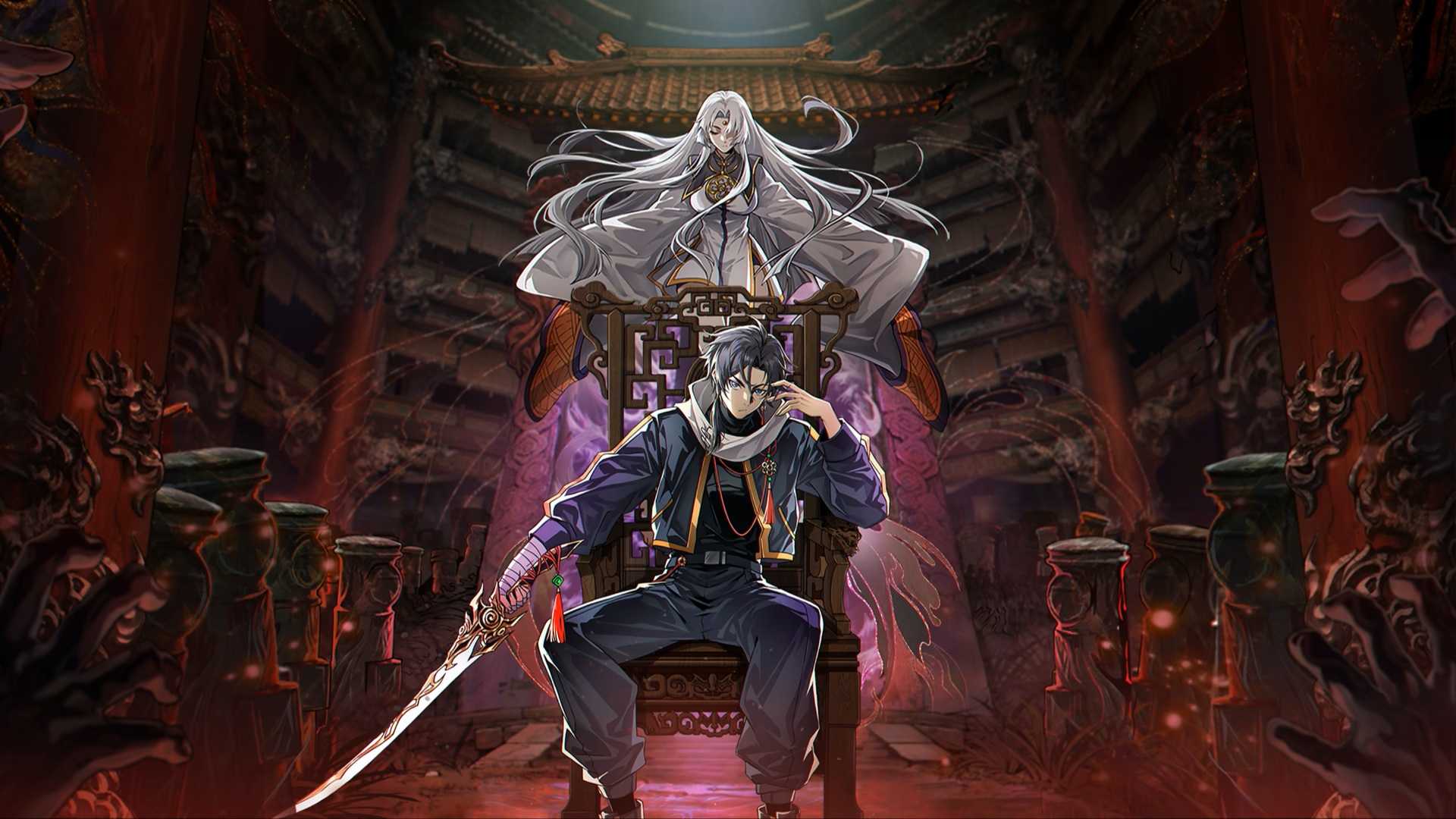
Exploring the New Donghua 'Call Me Lord Eerie Bailiff' and Its Resemblance to 'Jujutsu Kaisen'

David Jones
Published May 15, 2026
Amidst the sea of action-packed series, a fresh Chinese adaptation is capturing attention for its striking parallels to the globally acclaimed 'Jujutsu Kaisen.' Titled Call Me Lord Eerie Bailiff, this donghua merges eerie atmospheres with high-stakes combat, drawing comparisons to both 'Jujutsu Kaisen' and other well-known titles.
Set against a backdrop of post-apocalyptic landscapes, the story follows Wang Ye, an ordinary man who gains extraordinary abilities after encountering a mysterious postal service. This transformation propels him into a world where supernatural entities roam, echoing the cursed energy battles central to 'Jujutsu Kaisen.' Yet, unlike its Japanese counterpart, this series infuses its narrative with a distinct blend of horror and mystery reminiscent of 'Silent Hill.'
The plot delves deep into themes of power acquisition and moral ambiguity, as Wang Ye navigates alliances and rivalries with other cursed individuals. His journey mirrors the evolution of protagonists like Yuji Itadori, yet stands apart with unique twists that emphasize psychological tension over sheer physical confrontation.
Visually, the series impresses with its detailed animation, rivaling top-tier productions from studios like MAPPA. The art style enhances the unsettling mood, making each scene a testament to the genre's potential when executed with finesse. Moreover, the soundtrack complements the narrative's intensity, further immersing viewers in its haunting world.
While direct comparisons to 'Solo Leveling' might seem tempting due to shared tropes of power progression and strategic combat, Call Me Lord Eerie Bailiff carves its niche by prioritizing atmospheric depth and character-driven drama. It doesn't merely replicate familiar mechanics but reinterprets them through a lens that values suspense and existential dread.
For fans seeking a blend of traditional shonen elements with innovative storytelling, this donghua represents a compelling addition to the current landscape of supernatural anime. Its release, backed by reputable production teams, signals a promising chapter in cross-cultural adaptations, bridging Eastern mythologies with universal themes of struggle and redemption.
